Adding Curb Appeal with Ornamental Iron Fencing in Flint
Iron fencing frames a yard instead of hiding it, and the details you choose up front decide whether it still looks sharp in twenty years.
October 15, 2026 · 4 min read
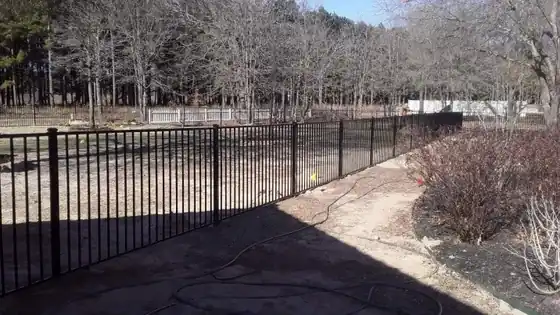
Some fences exist to shut the world out. An ornamental iron fence does something different: it draws a clear line around your property and lets people see what is inside. Around Flint, where you will find everything from established neighborhoods to larger rural lots with long frontage on the road, that open look is a big part of the appeal.
C W G Fence and Decks fabricates and installs ornamental iron fencing, so we can walk you through the choices that matter before anything gets welded or set in the ground. Here is what we would want to know if we were buying one.
Why iron works for front yards and entrances
A solid wood fence blocks the view in both directions. Iron keeps the sightline open. You can still see your landscaping from the road, and anyone passing can see the house, which is exactly what you want at a front entrance or along a driveway.
It also works as a barrier. Vertical pickets are spaced so a person can't squeeze through, and the rails are awkward to climb. That makes iron a good fit for pool enclosures, front yard boundaries, and commercial storefronts where you want a defined edge without making the place feel walled off.
Steel or aluminum?
Both look similar once they are painted and standing, but they behave differently. Steel is the stronger of the two and takes impact better, so it suits situations where you want extra security or the fence might get bumped. Aluminum is lighter and does not rust, which makes it a popular pick for decorative residential runs where extreme strength is not the goal.
If you are not sure, tell us how the fence will be used. A fence that borders a busy road or holds in a large dog may call for steel. A fence that frames a flower bed along a front walk may be happier as aluminum.
Picket styles, finials, and arched gates
This is the fun part, and the part where it pays to slow down. The top of the pickets sets the personality of the whole fence. A plain flat top reads clean and modern. Spear-top finials look traditional and a little formal. Scrollwork adds a decorative touch, and an arched gate over a walkway makes an entrance feel intentional.
- Height: front yard fences often run three to four feet so they define the edge without blocking the view, while rear or side perimeters can go taller
- Picket spacing: tight enough for pets and small children, wide enough to keep the fence from feeling heavy
- Color: black is the classic choice, but bronze and other tones can match brick, stone, or trim
- Gates: single or double swing, and wide enough for a mower, a vehicle, or a delivery
- Masonry columns: brick or stone pillars at the entrance add visual weight
Before you settle on a height, check with the city and your HOA if you have one. Height limits near the street are common, and you want to know the rules before the fence is built.
What a powder-coated finish does
East Texas is humid, hot, and wet, which is hard on bare metal. Powder coating is applied as a dry powder and then heat-cured, so it bonds to the surface and forms a harder shell than ordinary brush-on paint. It resists chipping, fading, and rust far better than a coat of paint applied after the fact.
It is not magic. A deep scratch that exposes bare steel can start to rust if it is ignored. The easy habit is to walk the fence once a year, look for chips or loose fasteners, and touch up any bare spots with matching paint before moisture gets in. Do that and a well-built iron fence stays good looking for many years without a repaint.
Posts, gates, and the work you don't see
A good-looking panel on a weak post is a bad fence. Iron panels are heavy, and a gate swings a lot of weight on its hinge post, so the footings matter. Posts get set in concrete at a depth that suits the soil, and the panels are leveled to follow the ground rather than just hung straight across a slope.
Clay soil moves with moisture, and a gate that drags or won't latch a year from now is usually a post problem that started on day one. We pay attention to gate clearance and hinge posts for that reason. Gates are the part of the fence you touch every day, and they should swing smoothly.
Does iron add value?
Many buyers read a clean, well-kept iron fence as a sign that a property has been looked after, and that can help a home make a good first impression. We will not promise a number, because resale value depends on far more than a fence. What we can say is that iron lasts, needs little upkeep, and holds its look, which is a better foundation than a fence that needs replacing in ten years.
If the fence you have now is older iron, it is worth a conversation before replacing it. Sections can often be repaired, straightened, and refinished, which costs far less than starting over.
To talk through heights, styles, and gate placement for your Flint property, call (903) 316-3127 for a free estimate. We offer military and senior citizen discounts and are fully insured.
Keep reading
Restoring Damaged Fences Quickly in Whitehouse
A leaning post or a dragging gate is a small job today and a big one after the next storm, so here is what to check and what a good repair looks like.
Choosing Low-Maintenance Vinyl Fencing for Your Bullard Home
Vinyl will not ask for a Saturday of staining every few years, but it is not the right fence for every yard.
Have a fence or deck in mind?
Tell us what you are looking at and we will come out, measure, and give you a free estimate.