When Should You Install Chain Link Fencing in Lindale
Chain link is the practical fence: see-through, tough, and fast to install, as long as you pick it for the right job.
October 15, 2026 · 4 min read
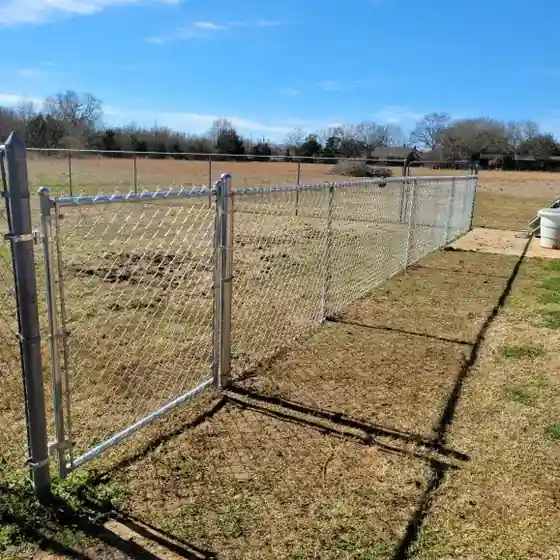
Chain link doesn't get much glamour, but it solves a lot of problems cheaply. Around Lindale, where you will find everything from subdivision lots to acreage with a long boundary to walk, it is often the fence that makes the most sense once you work out what you actually need it to do.
C W G Fence and Decks installs chain link for homes and commercial properties. Here is how we think about when it is the right call, and when it is not.
Good jobs for chain link
Chain link shines where you need a boundary, not a wall. It keeps people, pets, and livestock where they belong while letting you see across the whole property. That makes it a natural fit for a few situations:
- A large perimeter, where the cost of a solid fence would add up quickly
- Dog runs and pet yards where you want to keep an eye on the animals
- Equipment yards, storage lots, and business property that needs to be secured but visible
- Pasture and field edges, especially where you need a gate wide enough for a tractor or trailer
- Property lines where privacy is not the goal
The mesh is open, so wind passes through it instead of pushing against it. That is a real advantage in a part of Texas that sees strong storms, because solid fences take far more load on their posts.
When chain link is the wrong pick
If privacy is the main reason you are fencing, chain link alone won't do it. Slats and windscreen fabric can add partial cover, but a true privacy fence is usually a better fit for a backyard that people look into. And if curb appeal is your priority, an iron or vinyl fence will look more finished.
Many subdivisions and HOAs limit or ban chain link, especially in front yards. If you live in one, check the rules before you decide. We would much rather you ask first than build something you have to take down.
Wire gauge and what it means
Gauge is the thickness of the wire, and a lower number means a thicker wire. Eleven-gauge wire is a solid choice for residential yards and lighter commercial use. Nine-gauge is heavier, and it makes more sense where the fence takes real abuse, like high-traffic areas or places where equipment and vehicles bump the fence line.
Another option worth knowing about is vinyl-coated mesh, which comes in colors like black and green. It blends into a tree line or a pasture much better than bare steel and holds up well in humid weather.
How galvanized steel ages
Galvanized chain link has a zinc coating that protects the steel underneath. In a damp climate like ours, that coating is what keeps the mesh from rusting in the first few years. Over a long stretch it will dull and gray out, which is normal and not a sign of failure.
The parts that deserve attention are the connections. Tension bands, gate hardware, and fasteners are where you should look once a year. If the mesh sags, the fix is usually re-tensioning, not replacement, and the fabric itself rarely needs work.
Posts, tension, and slopes
A chain link fence is held up by tension, so the terminal posts at the ends, corners, and gates carry the real load. They need solid concrete footings, because the stretched fabric pulls on them constantly. Line posts go in at regular intervals to stop the fabric from bowing, and a top rail keeps the run straight.
Slopes are common, and chain link handles them well. The mesh can follow the ground with a method called racking, where the fabric angles to match the grade while the posts stay vertical. On steeper ground we may step the sections so the height above the ground stays consistent.
Gates, timing, and getting ready
Gates are where chain link projects succeed or fail. A walk gate for foot traffic is simple. For vehicles, double-swing gates or rolling track gates can be installed at widths up to twenty feet, with hinges or wheels rated for the weight and how often the gate is used. Think about how you will actually use the opening, including what you will drive through it, and tell us so we can size it correctly.
Latches should sit at a height that suits whoever opens the gate, and hinges that handle daily use will keep the gate from sagging.
Chain link generally goes up faster than board fencing, because the mesh covers a lot of ground per hour of labor. Most residential jobs are quick, though larger commercial perimeters take longer depending on site prep and the number of gates. We will give you a timeline before work starts.
Have your fence line cleared, mark your property corners, and flag any underground lines or sprinklers. A short walk-through with us makes everything go more smoothly.
If you are trying to decide whether chain link fits your Lindale property, call (903) 316-3127 and we will measure the line and give you a free estimate. Military and senior citizen discounts are available, and we are fully insured.
Keep reading
Restoring Damaged Fences Quickly in Whitehouse
A leaning post or a dragging gate is a small job today and a big one after the next storm, so here is what to check and what a good repair looks like.
Adding Curb Appeal with Ornamental Iron Fencing in Flint
Iron fencing frames a yard instead of hiding it, and the details you choose up front decide whether it still looks sharp in twenty years.
Have a fence or deck in mind?
Tell us what you are looking at and we will come out, measure, and give you a free estimate.